
Includes free and carefully vetted resources to educate people about ageism and help dismantle it.
Archives: Resources
This custom post type will be used to build the resources that appear within the Resource Library section.
The Double Whammy of Ageism and Ableism
By now you’ve probably heard some buzz around ageism-the prejudice of people based on their age. And hopefully you have gained some awareness around it and are taking steps against it—after all, you WILL grow old. But how much have you thought about ableism-the prejudice of someone based on their different abilities, whether physical or cognitive? None of us want to think of ourselves as prejudiced, but we make assumptions based on age and ability more than we think. Especially in the work that we do, these two “isms” collide on a daily basis. In this webinar we will discuss the intersection of ageism and ableism and the double whammy it has for the people we support.
Framing Strategies to Advance Aging and Address Ageism on Policy Issues
This brief lays out an approach to changing public thinking about aging in America. The goal of the strategy summarized in the document is to increase public support for policies and practices that can be advanced to support a robust,… Read more
How Do We Make Sense of the Images We See of Aging and Our Everyday Experiences?
We’re hearing and reading more about growing older than ever before. Maybe because we’re all doing it. We see images of 90-year old people running marathons, skydiving and bodybuilding. There is an indirect message that this is what we should aspire to be. And yet we provide care and support to other 90-year old people who live in assisted living communities and nursing homes. Do we see them differently because of where they live and their abilities? Is there a different kind of ageism happening in care communities? Come with us on this journey of exploration as we present the first of a year-long series of webinars looking at the perceptions of aging, ageism and person-centered living.
Guide: Penny Cook, Pioneer Network
Staff Retention
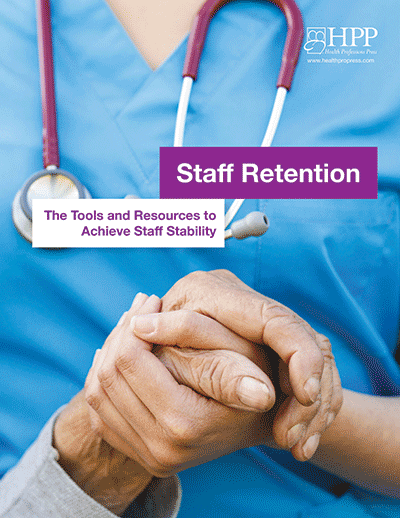
High employee turnover is one of the greatest challenges facing long-term care communities today. Without consistent staffing, care communities and their residents suffer the serious consequences of inadequate care, unnecessary expenses, and inefficient operations. Staff stability is dependent on leaders who hire the right staff, train them effectively, listen to their concerns, involve them in the decision-making process, and provide continuous motivation.
Dress Like a 100-year old Day Call to Action
Give this call to action letter to educators and other community members as a way to help educate children about aging in a positive and respectful manner.
Commitment to Challenge Ageism
A pledge to learn about and change beliefs, language and practice related to ageism and ageist attitudes.
The Yellow Book: Meeting of Pioneers in Nursing Home Culture Change
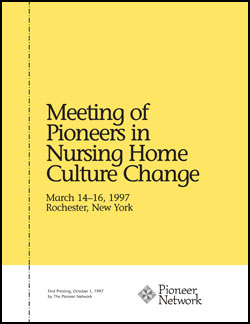
Report from March 1997, the first gathering of what we call the Founding Pioneers, in Rochester, New York, which we refer to as The Yellow Book.
Commitment to Person-Centered Language
Pledge to use to language that is dedicated to creating a culture of Aging that is Life-Affirming, Satisfying, Humane and Meaningful.
Commitment to Person-Centered Language Training
Training ideas and resources to begin the discussion on person-centered language.